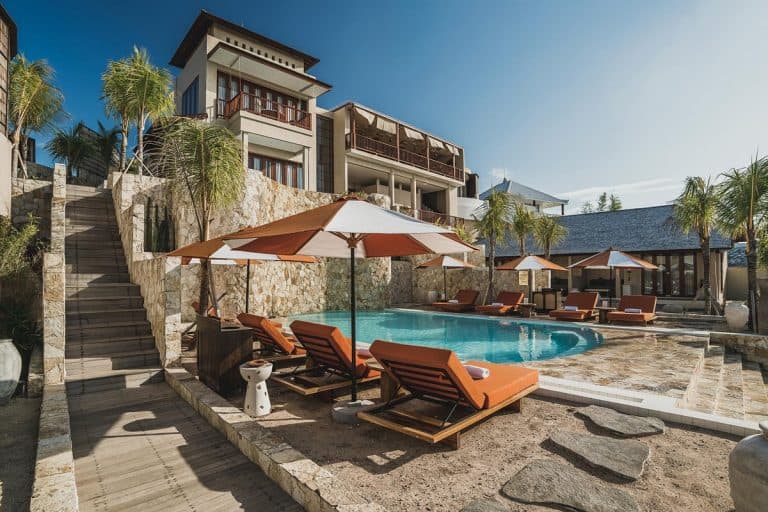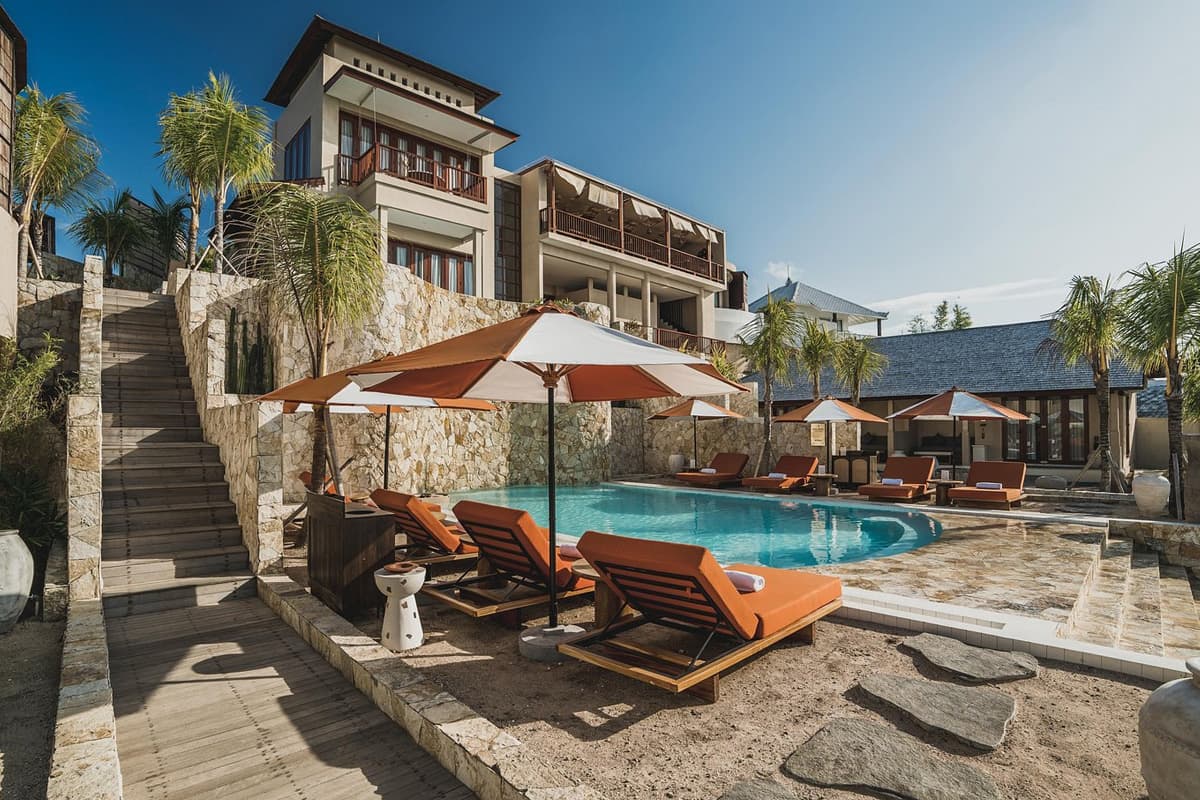
The main difference between a hotel and a resort comes down to the type of stay they offer. Hotels are usually designed for convenience, making them a practical choice for business trips, short stays, or travelers who want easy access to the city. Resorts, on the other hand, are built around the complete holiday experience, with accommodation, dining, entertainment, and recreational activities available in one place.

This article will explain the differences between hotels and resorts based on their purpose, location, facilities, guest types, average length of stay, and price. By understanding these points, you can choose the accommodation that best suits your next vacation.
What Is a Hotel?
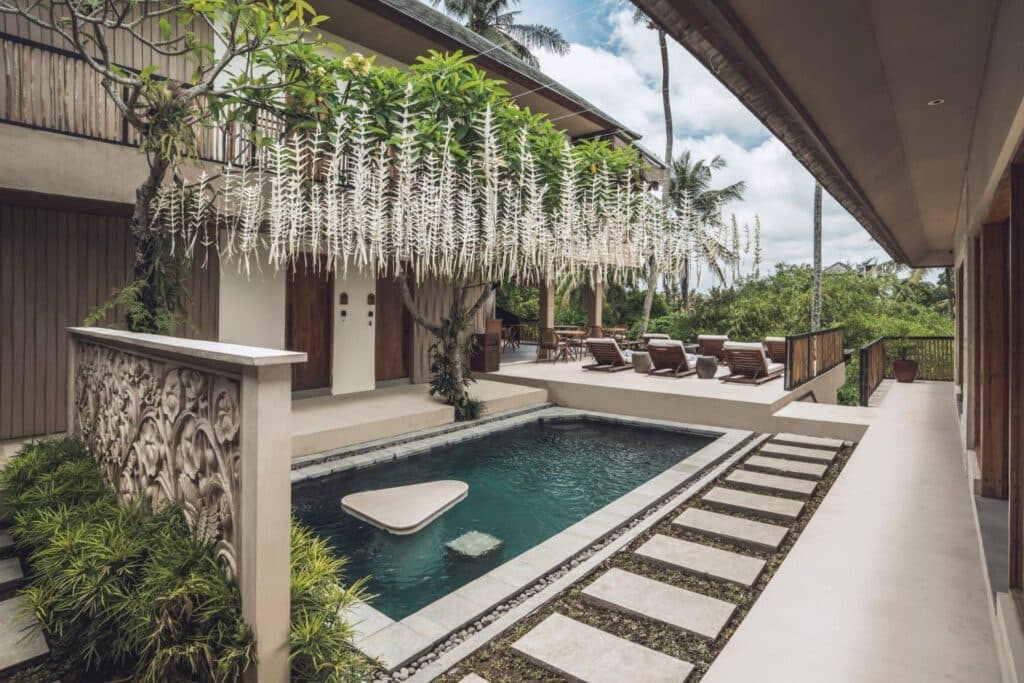
The hotel meaning is a commercial accommodation that rents rooms to guests for short stays. Hotels commonly welcome tourists, business travelers, and transit guests while providing services such as daily housekeeping, a 24-hour front desk, restaurants, meeting rooms, and parking.
In the hotel vs resort comparison, hotels are usually multi-story buildings located in convenient areas such as city centers, business districts, or near major transportation hubs. Their main focus is providing easy access, efficient service, and a comfortable place for guests to rest.
What Is a Resort?
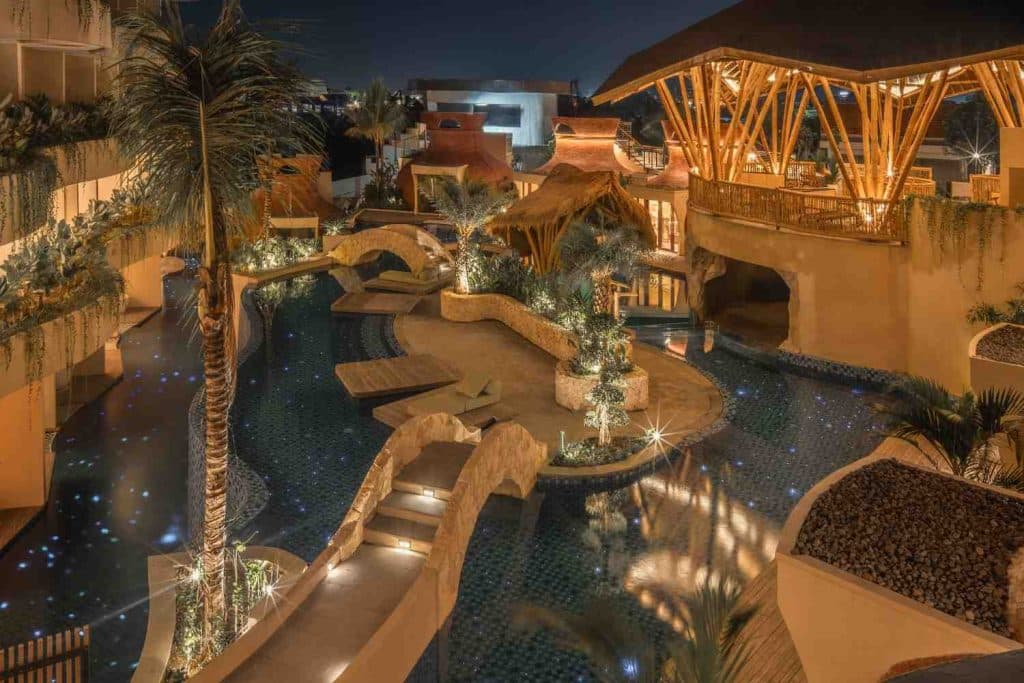
The resort meaning refers to an accommodation complex designed to provide a complete vacation, recreation, and relaxation experience. In the resort vs hotel comparison, resorts are usually built on spacious grounds in natural destinations such as beaches, mountain areas, or peaceful countryside.
Resorts also offer a wide range of facilities in one place, including restaurants, swimming pools, spas, sports areas, and private recreational spaces. This allows guests to relax, dine, and enjoy different activities without needing to leave the property.
Key Differences Between Hotel and Resort
To make it easier to understand what the difference is between a hotel and a resort, here’s a quick comparison across the key categories:
| Factors | Hotel | Resort |
| Purpose | A place to stay while exploring outside the property | A complete destination in one location |
| Location | Urban areas, business districts, near transportation access | Scenic, remote, and destination-based locations |
| Facilities | Essential facilities with a few extras | All-inclusive resort has comprehensive facilities such as spa, pool, dining, and activities |
Length of Stay | Usually 1–3 nights | Usually 3–7+ nights |
| Guest Type | Business travelers and tourists who want to explore | Vacationers, families, couples, and honeymooners |
Service Style | Efficient and more general | More specialized, high-touch, and personalized |
| Price | Mainly focused on room rates | Room rates plus extra spending on spa, dining, and activities |
| Dining | One restaurant or sometimes none | Multiple dining venues, sometimes all-inclusive |
The difference between hotel and resort amenities can be seen in the type of facilities they provide. Hotels usually focus on practical features such as work desks, business centers, and standard swimming pools, while resorts offer more complete recreational facilities like private balconies, spas, themed restaurants, water sports, and private beaches.
So, hotel vs resort, which is better for your trip? Here’s a breakdown by travel style.
Which One Should You Choose?
Choose a Hotel If…
- Most of your plans are outside the property: A hotel is a practical choice when you want to explore the city, visit attractions, or attend business events. In the hotel and resort difference for vacation, hotels are better suited to travelers who mainly need a comfortable place to shower, rest, and sleep.
- You value easy access and convenience: Hotels are often located near city centers, shopping areas, airports, and public transportation. A boutique hotel can also be a good option when you want a more stylish and personal stay without the extensive facilities of a resort.
- You want better control over your budget: A hotel allows you to pay mainly for the room and essential services instead of recreational facilities you may not use. Prices can vary depending on the location, room type, and hotel star rating.
- You are staying for a short time: When comparing resort vs hotel stay length, hotels are usually more suitable for short trips, weekend getaways, business visits, or overnight transit stays.
- You need practical facilities and reliable connectivity: Hotels commonly provide stable Wi-Fi, an in-room work desk, meeting rooms, and business services. These features make them convenient for business travelers and guests who need to stay productive.
Choose a Resort If…
- You want the accommodation to be part of the holiday: Among the different types of accommodation, a resort is ideal for a staycation or a relaxing trip where you plan to spend most of your time on the property.
- Your main goal is to relax: The resort vs hotel location is often quite different, as resorts are commonly found near beaches, mountains, or peaceful natural areas away from busy city life. This makes them a good choice when you want spa treatments, beautiful scenery, or access to a private beach.
- You are traveling with family or your partner: Resorts usually provide facilities for different types of guests, including kids’ clubs, themed pools, family activities, and romantic dining experiences. When comparing a Bali resort and hotel, resorts often offer more ways to enjoy quality time together without leaving the property.
- You prefer activities and facilities in one place: Many resorts offer packages that include yoga, water sports, nature tours, tennis, golf, and other recreational activities. When searching for the best resort Bali has to offer, check which experiences and facilities are included in the room package.
- You are planning a longer stay: Resorts are well suited to slow travel, extended holidays, or a few days of complete relaxation. Resorts may cost more because the rate often reflects their wider range of facilities, activities, and services.
Conclusion
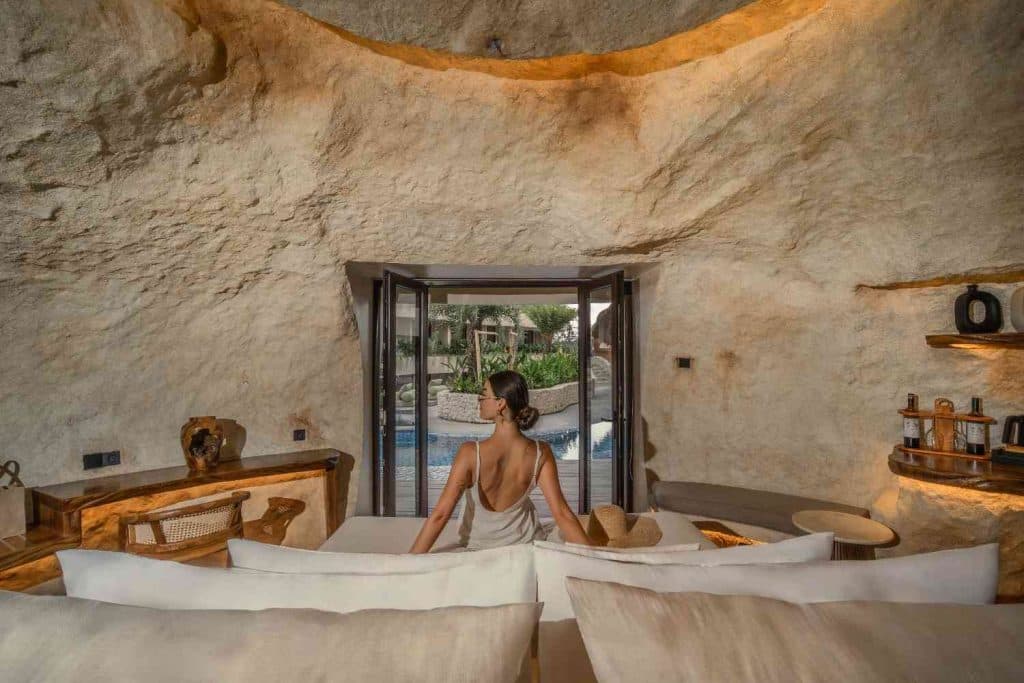
The difference between hotel and resort mainly comes down to how you want to spend your trip. Hotels are ideal for short stays, business travel, and exploring outside the property, while resorts are better for longer holidays with dining, relaxation, and activities available in one place.
Choose the option that fits your travel style, budget, and preferred experience. Browse Ini Vie Hospitality’s resort portfolio and find a Bali stay that’s more than just accommodation, it’s the reason you went.